Violence is Not a Read
People who think they can read others are not observing. They are liking and subscribing to their own channel.

People who think they can read others are not observing.
They are liking and subscribing to their own channel.
That isn’t observation.
That’s talking with yourself in the comments section.
They aren’t reading the child.
They’re watching themselves explain the child.
And once adults start doing that, they get very confident.
Especially when the behaviour is loud.
Especially when the behaviour is disruptive.
Especially when the behaviour is inconvenient.
Especially when the behaviour is unsafe.
A child throws something.
“He’s violent.”
A child doesn’t start writing.
“He’s lazy.”
A child leaves food in a backpack.
“She never listens.”
A child hits, kicks, claws, charges, screams, collapses, refuses, freezes, or disappears behind a wall of behaviour.
And adults look at the visible output, slap a name on it, and call that a read.
It isn’t.
That isn’t reading.
That is labelling the smoke and pretending you found the fire.
This matters most when the behaviour is scary.
Because when something looks like violence, adults feel morally authorized to stop thinking.
Safety matters.
Harm is real.
Nobody gets to pretend otherwise.
But “aggressive” is not an explanation.
“Violent” is not an explanation.
“Dangerous” is not an explanation.
Those words name what happened.
They don’t tell us what produced it.
And if we move from a dirty read, everything after that is already contaminated.
I worked with a student I’ll call Allie.
Allie’s on the spectrum.
Big behaviours.
The kind adults remember.
When things didn’t go the way they expected, they’d throw objects, rip paper, flip tables, storm into the hallway, and tear things off the walls.
Talking to Allie while they were escalating?
Scream — apply directly to face.
Full eye contact, too.
And the adult response was often exactly what you’d expect:
More talking.
Then more talking.
Then more talking, but louder.
Because apparently when a child gets angrier every time adults add language, the obvious solution is to continue adding language until the walls develop hearing loss.
From the outside, the read was easy.
Allie is aggressive.
Allie is violent.
Allie cannot handle language arts.
Allie is always like this when things do not go their way.
And technically, some of that described what people saw.
They did throw things.
They did rip paper.
They did scream.
They did flip tables.
But that’s not the read.
That was the receipt.
The cleaner read was this:
When expectations ruptured and they had no scaffold, their anxiety spiked.
When anxiety spiked, flexibility collapsed.
When adults kept talking, the cost rose.
When the cost rose past what they could carry, aggression became the output.
That hits different.
Not softer.
More accurate.
I used Persistent Drive for Autonomy, or PDA, as a useful frame for what I was observing.
Not as a magic label.
Not as an excuse.
Not as a way to make the file sound fancier.
As a frame.
Because the pattern mattered.
Things Allie cared about became landmines.
If Allie really wanted something to go well, the cost of it not going well became enormous.
A SpongeBob picture wasn’t just a picture.
It was the thing they had built anticipation around.
If it came out crooked, that wasn’t a minor mistake.
That was the collapse of the whole expected world.
Destroyed.
Not because they were a “violent child.”
Because the field kept handing them unsupported expectation rupture and acting shocked when the invoice arrived.
Aggression was not Allie’s identity. Aggression was what appeared when the field gave them too much cost and too little scaffold.
So I tried something different.
One day, I brought my dog, Wink. (yes, I’ll pay the dog
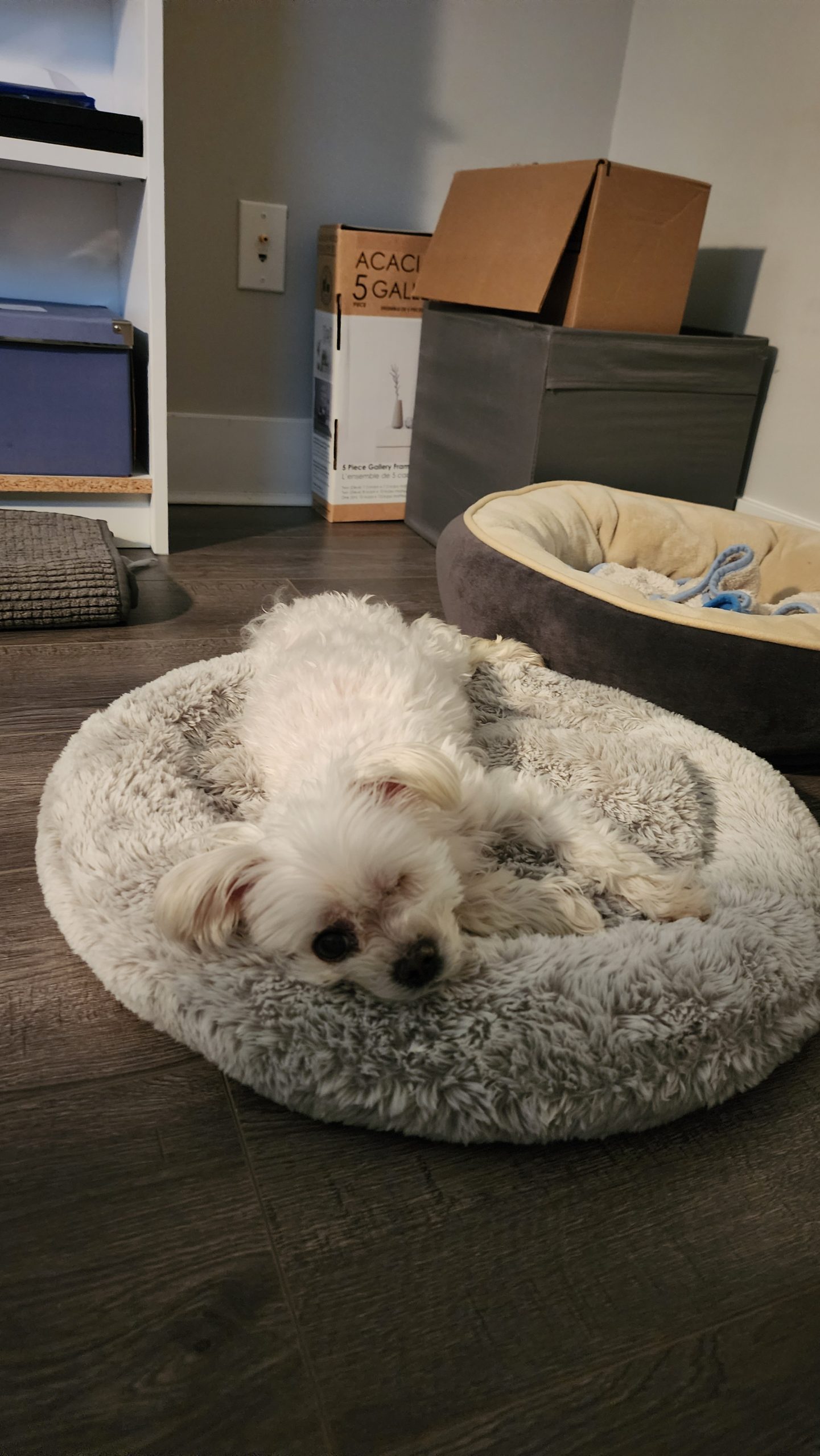
Before carpet time, I pulled Allie aside.
They were intrigued.
They got to meet her.
They got to pet her.
I told them about her.
Then I told them what would happen next.
At Circle Time, I was going to introduce Wink.
Allie already knew things about her because we had just talked about her.
I told them I would be asking the same questions.
Allie realized they already knew the answers.
Then I told them the important part.
If they wanted to answer, I’d call on them.
If they wanted to sit and watch, that was fine, too.
I also taught Allie how to safely greet a dog for the first time:
Put out your hand.
Let the dog sniff. (yes, this dog)
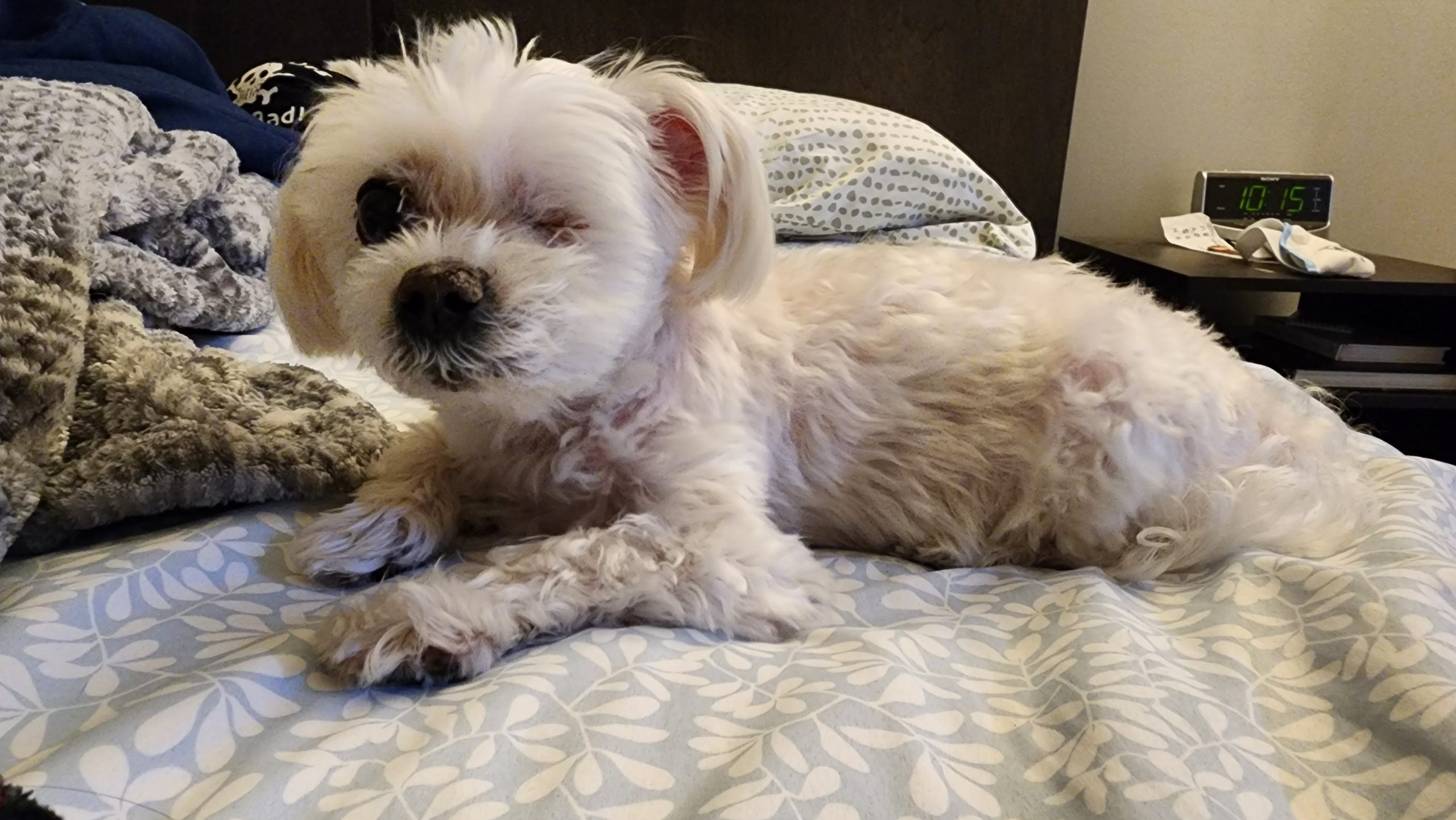
If the dog remains relaxed and calm, pet its body gently, not its head.
Then we went to the carpet.
Allie was the first one there.
They sat across from me.
They didn’t want distance.
They wanted eye contact.
That was part of how we communicated.
I’d ask a question and scan the group.
If Allie didn’t look at me, I wouldn’t call on them.
If we made eye contact, and they sustained it and nodded, I’d call on them.
Soon, they answered the question we had already rehearsed.
Later, when I asked for someone to demonstrate how to greet Wink properly, they shot their hand up.
This was not something they usually did.
“All right, Allie. You’re up.”
Allie was perfect.
Gentle.
Careful.
Proud.
Competent.
Afterward, Allie smiled like they had just found a billion dollars.
Then they started teaching the other kids what they had learned.
“Wink was adopted — she’s a rescue dog.”
“She had two eyes… but they had to take one out because she got germs inside.”
“She’s happy and healthy — dogs use their nose to ‘see’ the world.”
“Yeah, it’s a cute name. ‘Wink’ is the name they give all of their one-eyed dogs. Yeah, that’s why Mr. Tony said he adopted Wink. He’s kinda silly.”
This mattered because Allie knew how adults and peers saw them.
They did not want to be reduced to the child who flipped tables, ripped paper, and screamed when things went wrong.
They wanted a different story.
They wanted to be the author of their own story.
Allie didn’t have all the words yet.
But they were mindful of the story adults had written around them.
They wanted to author something else.
And for once, the field gave them enough scaffold to author it.
So they reminded the other kids to be quiet, slow, and gentle, because Wink was small and cute and fragile.
Violent child, apparently.
Or maybe the read was garbage.
The same child who flipped tables became the child reminding their classmates to be gentle with a small dog.
That doesn’t erase the harm from the other moments.
It explains why the label was insufficient.
Aggression wasn’t Allie’s identity.
Aggression was what appeared when the field gave them too much cost and too little scaffold.
They could carry gentleness when the field stopped setting them up to fail.
That’s what clean observation protects.
It protects the child from being collapsed into the worst thing their nervous system has ever done in public.
Now take the same problem and make the child preverbal.
Since we’re at it, let’s crank up the difficulty.
A child on the spectrum.
A child with a safety plan.
Self-injurious and other-injurious behaviour.
Adults tracking antecedents, behaviours, consequences.
Plans and de-escalation protocols and procedures brought in to keep everyone safe.
The chart can make sense.
Denied preferred item?
Aggression.
Told “not now”?
Aggression.
Peer touched something?
Aggression.
Adult interrupted routine?
Aggression.
Adult they don’t like entered the space?
Aggression.
The chart can make sense.
But data is not the same thing as a clean read.
The common adult story is simple.
They get aggressive when they don’t get what they want.
Maybe.
Sometimes, yes.
But if that’s the whole read, we may already be too confident.
Because sometimes the observable pattern does not look like simple denial frustration.
Sometimes the child’s fine.
Engaged.
Connected.
Near their trusted adult.
And then something shifts.
Not always something obvious.
Not always something the room catches.
And suddenly the child goes one hundred percent at their person.
Punching.
Kicking.
Clawing.
Charging.
Scratching.
But crying.
Distressed.
Not cold.
Not calculated.
Not predatory.
Not violence as identity.
Not aggression as explanation.
Something else.
I am not saying I know what that child felt.
That would be the same mistake in a nicer hat.
I am saying the observable shape didn’t read like simple anger:
It looked like rupture.
A trusted person.
An unexpected change.
A break in expectation.
A sudden collapse of the connection that had been holding the child together.
Verbal children experience this.
Adults experience this.
Someone you trust does something unexpected or uncharacteristic.
Something violates the pattern you believed you were standing inside.
Suddenly the relationship feels unstable.
Then come the arguments.
The accusations.
The slammed doors.
The silent treatment.
The thrown objects.
The screaming.
The shutdown.
“I thought you understood me.”
“Why would you do that?”
“I trusted you.”
“Make this stop.”
These are relationship ruptures.
They happen to adults with mortgages, calendars, car keys, and fully developed vocabularies.
So why would preverbal autistic children be magically exempt from that human experience?
They are not.
They just cannot always hand us a clean verbal explanation afterward.
And that is exactly why adults need to be more careful, not more certain.
Because the moment we assume confirmed access to a preverbal child’s interior world, we start authoring identity.
Aggressive.
Dangerous.
Unpredictable.
Targets staff.
Manipulative.
Non-compliant.
And slowly, the child disappears behind the file.
Safety without clean read becomes containment with better paperwork.
Observability exists to stop that.
Not by pretending harm is not real.
Harm is real.
Safety matters.
But safety without clean read becomes containment with better paperwork.
Today, I am saying violence isn’t a read.
On Sunday, I am telling the story of the adult who read past it.
There was one adult who understood that Kai wasn’t a monster. She held that read even when the field made her pay for it.
She paid for that understanding with her body.
Her name was Reina.
If this made you pause, good.
That pause is the beginning of the read.
I’m building the full framework behind this work at tonyhttsang.com:
Agency Restoration Framework
Read cleaner. Move smaller. Preserve agency. Stop writing children into the wrong story.